Dewey Studies Reading Group
Current Reading Group
This Fall, in preparation for celebrating the centennial of The Public and Its Problems in 2027, we will read some of Dewey's political writings from 1903-1927, selections from Walter Lippmann's Public Opinion and The Phantom Public, and Dewey's reviews of Lippmann's books. (In Spring 2027, we will focus on The Public and Its Problems itself.) The reading group will meet Fridays at 1:00pm Central Time.
Schedule of Readings
| Date | Readings |
| August 28 | "Emerson---The Philosopher of Democracy" (1903), MW 3 "Democracy in Education" (1903), MW 3 |
| September 11 | "Civil Society and the Political State" Ethics (1908), MW 5 |
| October 2 | "The Democratic Conception in Education" Democracy and Education (1916), MW 9 |
| October 9 | "Philosophy and Democracy" (1919), MW 11 "Science, Belief, and the Public" (1924), MW 15 |
| October 30 | Walter Lippmann, Public Opinion (selections) |
| November 6 | Walter Lippmann, The Phantom Public (selections) |
| December 4 | Dewey's Review of Public Opinion, MW 13 "Practical Democracy" (Dewey's Review of The Phantom Public), LW 2 |
To join the reading group, please email DeweyCenter@siu.edu.
Past Reading Groups
Spring 2026 – Essays 1925-27 and Paul Churchland
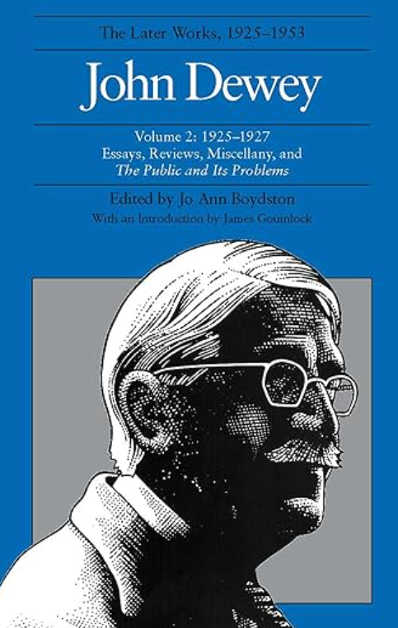
John Dewey’s Essays, 1925-26, from The Later Works, Vol. 2
This semester, we are examining selected writings, chosen by the group, from Dewey’s later works (1925-26), as a window into what Dewey was thinking and writing about a century ago. Readings include Dewey's well-known essays like "The Development of American Pragmatism" as well as lesser-known contributions such as "What Is the Matter with Teaching?" and "The 'Socratic Dialogues' of Plato."
Paul Churchland, Neurocomputation, & A.I.
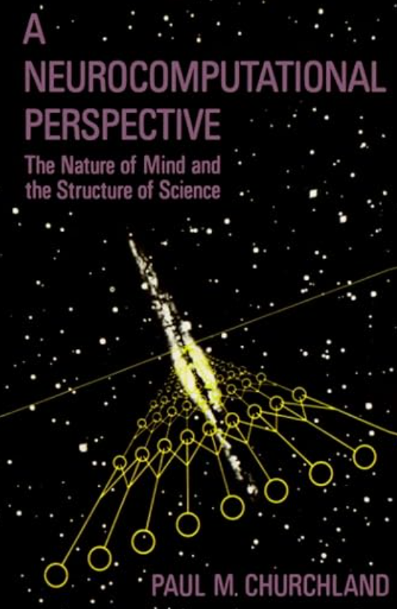
A second group this semester is exploring the work of Paul Churchland, particularly his writings on the nature of cognition based in the understanding of the brain provided by artificial neural networks (ANNs). In addition to trying to understand and evaluate his general views, we are paying special attention to how Churchland’s work can help us understand the new generation of ANN-based “artificial intelligence.”
Fall 2025 – Reconstruction in Philosophy
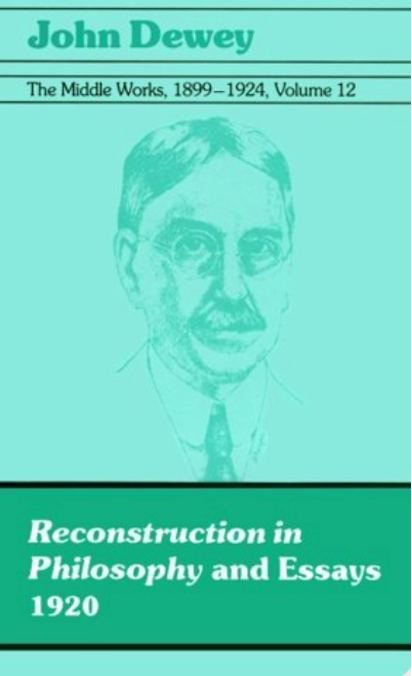
Published in 1920 and revised in 1948, “Reconstruction in Philosophy” presents Dewey’s historical philosophical perspective, especially on the ways in which philosophical systems have traditionally been negligent of human experience. Dewey worries that science has succumbed to this same process, and in this work, he aims to ameliorate this separation.
Spring 2025 – Dewey’s Additional Lectures in China
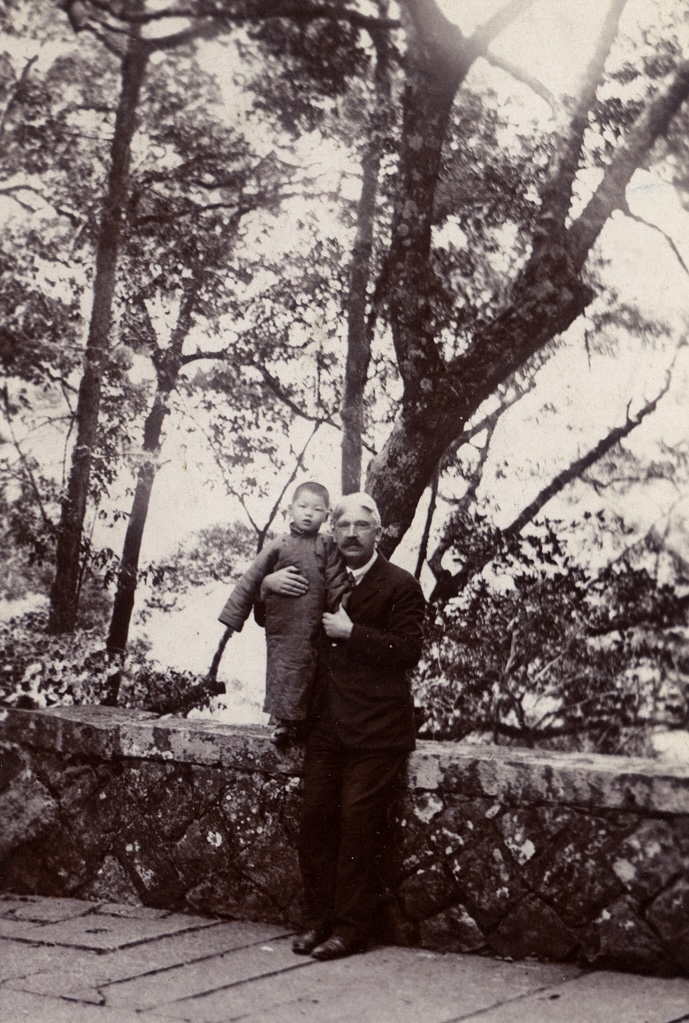
Between 1919 and 1921, John Dewey gave over dozens of lectures in China, which were transcribed at the time into Mandarin, and then later translated back into English. A small number of these back-translations were published in 1973. The group read and discussed a variety of the unpublished lectures, currently in preparation for publication by the Center.
Fall 2024 – Experience and Nature
2025 marked the centennial of the 1925 publication of John Dewey’s monumental work, Experience and Nature. In this spirit, the reading group discussed Dewey’s emphasis on the relationship between human experience and the natural world, what he called “empirical naturalism” (or “naturalistic humanism.”) He argues against the separation of the subject and object, emphasizing that empirical methods in science and philosophy must incorporate human experience to fully understand reality.
Spring 2024 – Logic: The Theory of Inquiry
Dewey's masterwork from 1938 represents the culmination of a lifetime of work in logical theory, presented here as the theory of inquiry. Ranging over topics in philosophical logic, epistemology, methodology, and philosophy of science, Dewey presents inquiry as a process of situated problem-solving on the background of his biological and cultural naturalism.
Fall 2023 – Human Nature and Conduct
 The discussion of 1922’s Human Nature and Conduct tackled themes in social psychology and moral philosophy. Dewey defines human nature, thought, and action in terms of his theory of impulse, habit, and intelligence. Dewey theorizes that moral habits guide behavior, and we must educate with this in mind, because morality is shaped both by our biological nature and by our social conditioning. Hence, moral knowledge should progress through intelligent social inquiry.
Spring 2023 – A Common Faith
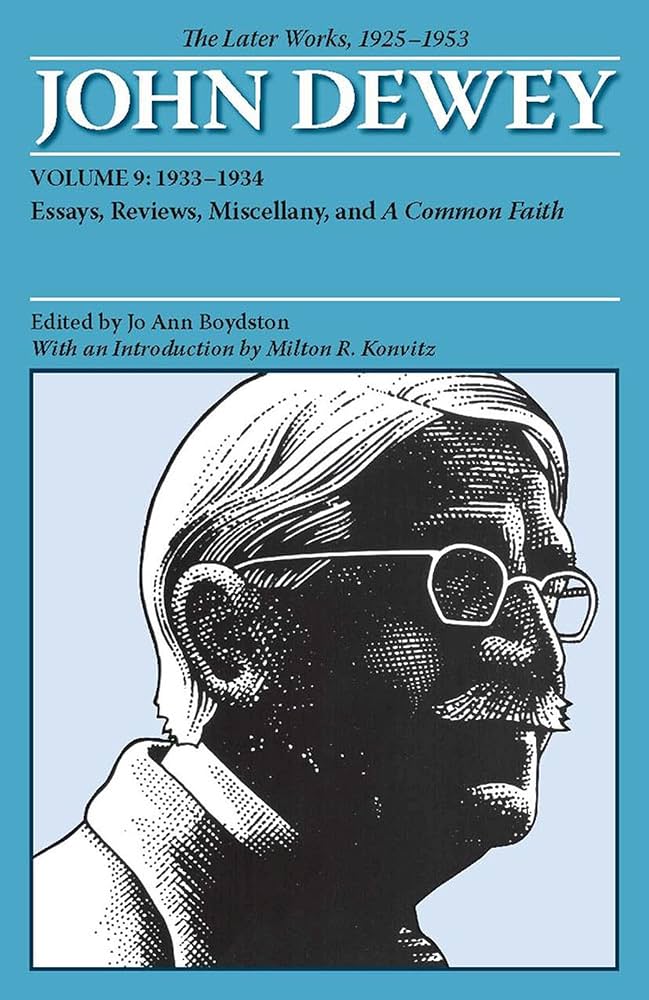 Based on Dewey’s lectures at Yale in 1934, A Common Faith evidences Dewey’s claim that there is an important role for religious experience in a secular, naturalistic framework. He believed that religion, historically, has been characterized by dogmatism, preventing the “emancipation of the true religious quality” of faith itself. Meaning and value, then, can be cultivated without religious dogma, especially that which, in Dewey’s estimation, contradicts scientific findings. Instead, we might harness the creative quality of faith towards shared, meaningful experiences.